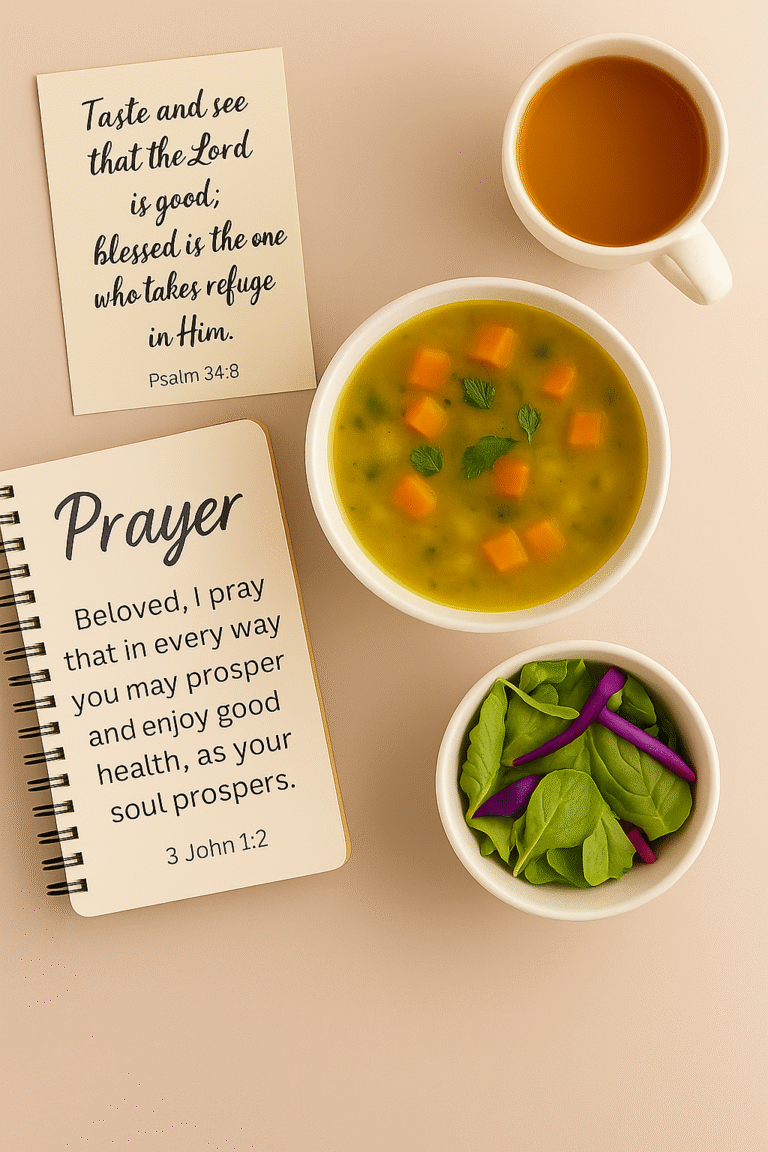
Rheumatoid Arthritis (RA) doesn’t just live in our joints. It’s a whole-body, inflammatory condition that can quietly touch places we don’t always expect — including the heart. That can feel scary, but knowledge is empowering. When we understand what’s happening and how to respond, we can take simple, steady steps toward better health.
This post is Part 3 of my series, How RA Affects Your Body. In Part 1, we started with the eyes. In Part 2, we explored breathing — from the nose to the lungs. Today we’ll look at the heart: what RA-related inflammation can mean, what signs to watch for, and gentle ways to care for your cardiovascular health with faith and wisdom.
“Above all else, guard your heart, for everything you do flows from it.” — Proverbs 4:23
A Quick Word on RA & Inflammation
RA is driven by the immune system. When inflammation becomes chronic, it can affect the lining of blood vessels and the tissues around the heart. Over time, that inflammation may increase cardiovascular risks. That doesn’t mean the outcome is fixed. It means we pay attention early, partner with our doctors, and choose everyday habits that support a healthy heart.
This post is for education and encouragement. It’s not medical advice. Please speak to your healthcare team about any symptoms or treatment changes.
4 Ways RA Can Affect the Heart
1) Increased Risk of Heart Disease
Chronic inflammation can irritate the inner lining of blood vessels (the endothelium). That may make plaque build-up (atherosclerosis) more likely over time. You might not feel this happening — which is why regular check-ins (blood pressure, cholesterol, blood sugar) matter. The goal isn’t fear; it’s early, simple prevention.
Gentle supports:
- Know your numbers (BP, lipids, A1C if recommended).
- Ask your doctor how often to screen and what your personal targets should be.
- Keep moving most days, even if it’s 10 minutes at a time.
2) Pericarditis: Inflammation Around the Heart
RA can inflame the pericardium (the sac around the heart). Pericarditis may cause sharp chest discomfort (often worse with a deep breath or when lying flat), a sense of pressure, or pain that eases when leaning forward. Many people with RA will never experience this, but if you ever notice new chest pain or breathlessness, seek urgent medical care. It’s always better to be checked and reassured.
What to watch for:
- New, unexplained chest pain or pressure
- Pain that changes with position or deep breathing
- Unusual shortness of breath, especially at rest
3) Effects on Blood Vessels & Blood Pressure
Inflammation can influence how flexible your arteries are. Stiffer vessels may nudge blood pressure upward or make circulation less efficient. Sometimes this shows up as headaches, dizziness, or just a sense of “not quite right.” Again — small, steady steps help a lot.
Gentle supports:
- Check your blood pressure at home (ask your doctor about a reliable cuff and your target).
- Reduce excess salt if advised; add potassium-rich foods (leafy greens, avocado, bananas) if appropriate.
- Prioritize calming practices (more on that below) to lower stress-related BP spikes.
4) Medication Considerations
Some medicines used in RA management can raise certain heart-related risks (for example, steroids or frequent NSAIDs may affect blood pressure, fluid retention, or the stomach). Others — especially those that control inflammation well — may indirectly lower long-term cardiovascular risk by keeping RA quieter. The key is individualized care.
Questions to discuss with your doctor:
- “What’s my current cardiovascular risk profile?”
- “Do any of my meds affect blood pressure, fluid retention, or cholesterol?”
- “Are there RA treatment options that control inflammation with fewer heart-related side effects for me?”
A heart Steadying word for tough days
On the difficult days, a few minutes of truth can steady the heart. This short message from Barbara O’Neill is gentle, practical, and faith-anchored. Take a moment to watch and be encouraged.
Symptoms to Take Seriously
Call your doctor or seek urgent care if you notice:
- New chest pain, pressure, or tightness
- Unexplained shortness of breath, especially at rest or at night
- Palpitations or a racing/irregular heartbeat
- Swelling in ankles/feet combined with breathlessness or fatigue
- Dizziness, fainting, or sudden weakness
You deserve to be taken seriously. You are not “overreacting” — you are advocating for your health.
Gentle, Doable Ways to Support Heart Health
1) Move Most Days
You don’t need an intense routine to help your heart. Consistency is key.
- Goal: 15–30 minutes a day of gentle movement.
- Ideas: Walks, easy cycling, water aerobics, stretching, light resistance bands.
- RA-friendly tip: On flare-up days, break movement into 5-minute “sprinkles.”
2) Eat to Soothe Inflammation
Nourishing foods won’t cure RA, but they can support heart and joint health.
- Add more: Leafy greens, berries, olive oil, nuts/seeds, fatty fish (if you eat fish), legumes, herbs/spices (turmeric, ginger).
- Choose: High-fiber whole foods; reduce ultra-processed items where possible.
- Hydrate: Your heart loves steady hydration.
3) ease Stress with Breath & Prayer
Stress is a heart-heavy load. A few quiet minutes can change your whole day.
- Breath prayer (1 minute):
- Inhale: “Lord, You are my strength.”
- Exhale: “Your peace guards my heart.”
- Repeat slowly for 6–10 breaths.
- 4-4-4-4 box breathing: Inhale 4, hold 4, exhale 4, hold 4.
- Body kindness: Gentle shoulder rolls and chest-opening stretches ease tension.
“And the peace of God, which transcends all understanding, will guard your hearts and your minds in Christ Jesus.” — Philippians 4:7
box breathing: a 4-4-4-4 reset 💛
When anxiety spikes, a few intentional breaths can steady the heart. Try this simple 4-4-4-4 rhythm. Breathe, pray and let God’s peace meet you here.
4) Sleep Like It’s a Superpower
Your heart restores during sleep.
- Aim for a consistent sleep window.
- Create a calm wind-down (dim lights, light reading, prayer, gentle music).
- Discuss snoring or possible sleep apnea with your doctor — treating it can protect the heart.
5) Team Up with Your health Care Providers
- Ask for a simple heart-health plan tailored to you.
- Track meds and side effects in a small notebook or app.
- Keep your vaccinations and screenings up to date as advised.
6) Lifestyle Anchors
- If you smoke, ask about quit-support options — your heart will thank you quickly.
- Enjoy alcohol (if at all) in moderation, and confirm what’s safe with your medications.
- Celebrate small wins. Every good choice adds up.
A Note from My Heart
Living with RA has taught me to listen closely — to my body, to my emotions, and most of all, to the Lord. Some days my heart feels strong; other days I need to be reminded that I’m carried. If you’re reading this and feeling overwhelmed, please hear this: you are not behind. You’re learning. You’re growing. You’re already taking steps by seeking wisdom.
“My flesh and my heart may fail, but God is the strength of my heart and my portion forever.” — Psalm 73:26
Faith Reflection
Our hearts beat because He wills it. Every pulse is a reminder that our lives are held — not by our strength, but by God’s faithful love. When fear rises, we can return to His peace, one breath and one prayer at a time.
Breath Prayer:
- Inhale: “Jesus, guard my heart.”
- Exhale: “Your peace sustains me.”
Closing Prayer
Lord, thank You for the gift of life and the rhythm of our hearts. For anyone facing fear or uncertainty about their heart health, wrap them in Your steady peace. Grant wisdom to our doctors, clarity to our decisions, and courage for each small, faithful step. Strengthen our bodies and anchor our spirits in Your love. Amen.
Gentle Next Steps
- Read Part 1: Eyes — 5 Eye-Opening Facts.
- Read Part 2: 3 Ways RA Impacts Breathing.
- Share this post with a friend who needs encouragement today.